
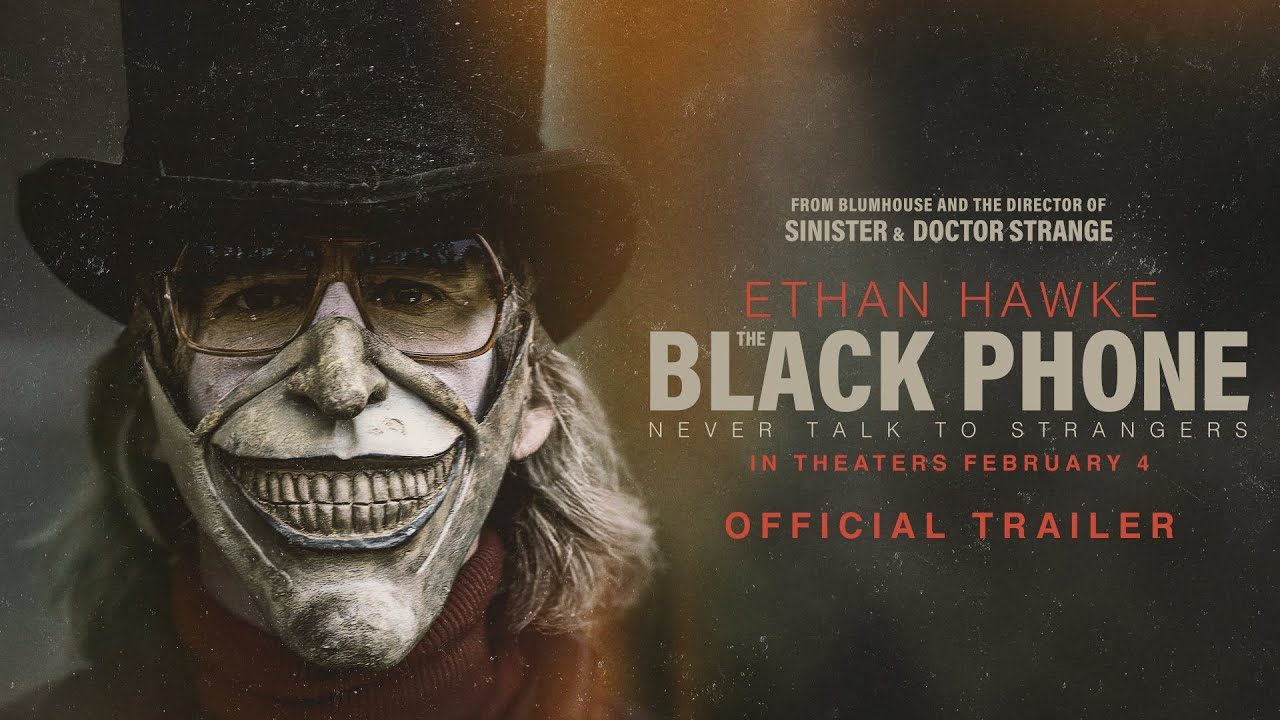
The Black Phone Store: 5 Surprising Facts About the Film
When the new horror thriller The Black Phone Store hit theaters, it quickly became a talking point among genre enthusiasts. While its chilling premise and atmospheric score draw immediate attention, there’s a deeper layer of intrigue that many viewers miss. From unexpected production choices to hidden Easter eggs, the film is packed with details that reward a closer look. In this post we’ll uncover five surprising facts that showcase the creative brilliance behind The Black Phone Store, giving you fresh insights to discuss at your next movie night.
Fact 1: The Original Title Was a Whispered Secret
Before marketing materials revealed the now‑familiar name, the movie was working under a codename that only the core crew knew. Early drafts referred to the story as "Midnight Receiver," a nod to the unsettling phone that connects the living with the dead. Producers kept the final title under wraps to build anticipation, and the shift to The Black Phone Store happened only after test audiences responded strongly to the visual of the ominous storefront. This strategic rename helped cement the film’s brand identity and boost its viral reach.
Fact 2: Real‑World Inspiration from a Forgotten Boutique
The film’s setting draws directly from a real telephone repair shop that closed in the 1990s on a quiet side street. Director Maya Ling spent weeks photographing the location, preserving details like the rusted metal signage and the maze of tangled cords. Those authentic touches gave the set an unmistakable grit that CGI often fails to capture. Crew members even salvaged original equipment to use as props, ensuring that every ring and buzz sounded as authentic as possible.
Fact 3: An Auditory Easter Egg Hidden in the Score
Composer Daniel Ortiz layered a subtle message within the background hum of the film’s main theme. If you listen closely during the climactic phone scene, the low frequencies form a pattern that mirrors the Morse code for “HELP.” This hidden code was a deliberate nod to classic horror radio dramas and serves as a clever tie‑in to the movie’s central motif. Fans who discovered the code online have shared it on forums, sparking a wave of appreciation for the film’s sonic craftsmanship.
Fact 4: The Child Actor’s Real‑Life Fear Boosted Authentic Performance
Lead youngster Finn Harper, who portrays the terrified protagonist, actually confessed a genuine fear of old phones during production. Rather than shielding him, director Ling placed him in the set’s eerie waiting area and let the tension build naturally. This method acting approach helped Finn deliver a performance that feels raw and unnerving, adding an extra layer of realism to the suspenseful moments. Critics praised his authenticity, noting that the fear felt “unfiltered and visceral.”
Fact 5: A Secret Cameo by a Horror Legend
Fans of classic horror will be delighted to spot a brief cameo by the iconic director of the 1970s slasher boom, Victor Graves. He appears as a shadowy customer browsing through the store’s dusty inventory, a role that required only a single line of dialogue: “Do you have any… connections?” This subtle nod not only honors Graves’ legacy but also reinforces the film’s theme of unseen communication. The cameo was kept off promotional materials to reward attentive viewers who catch the fleeting appearance.


